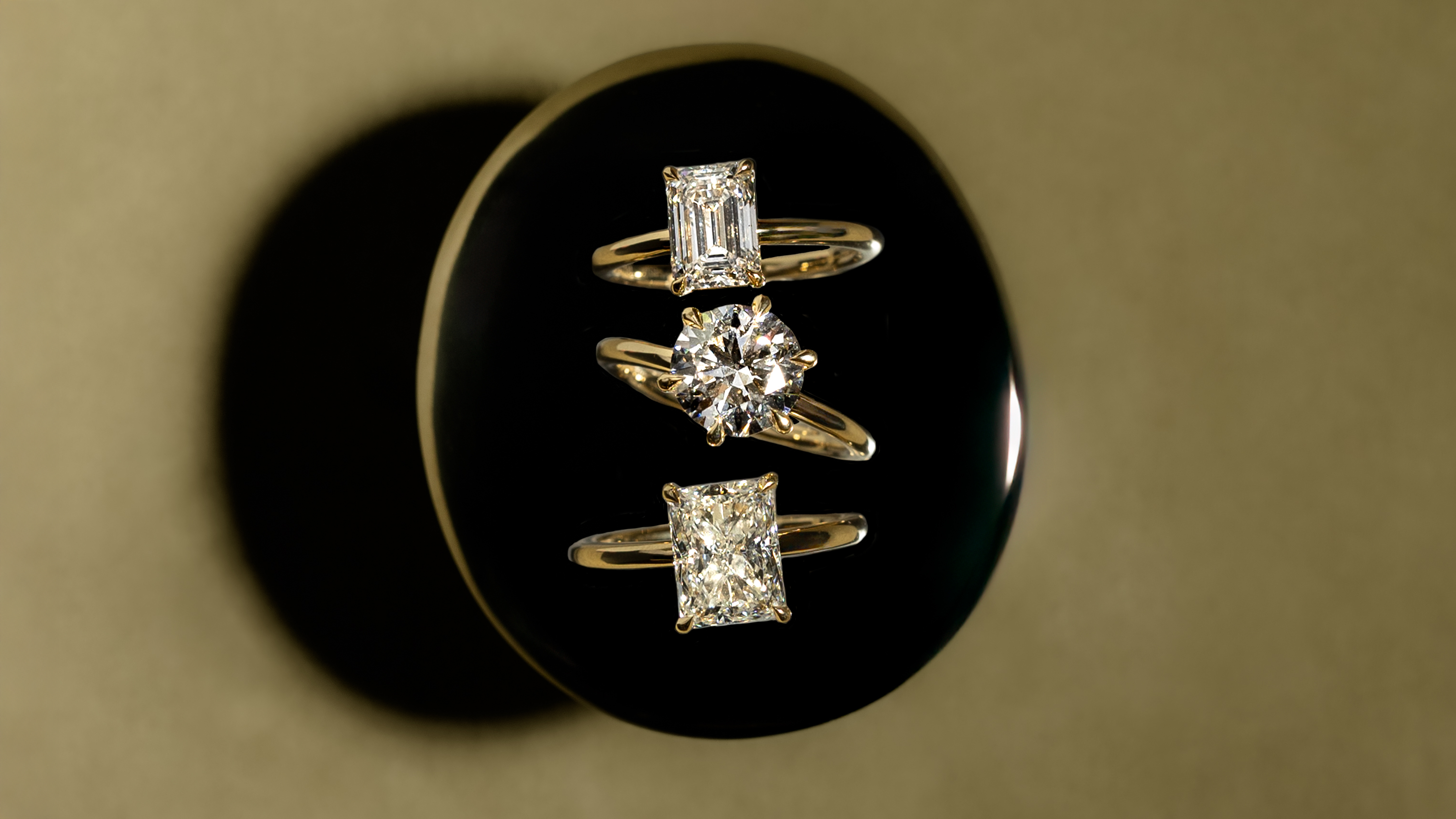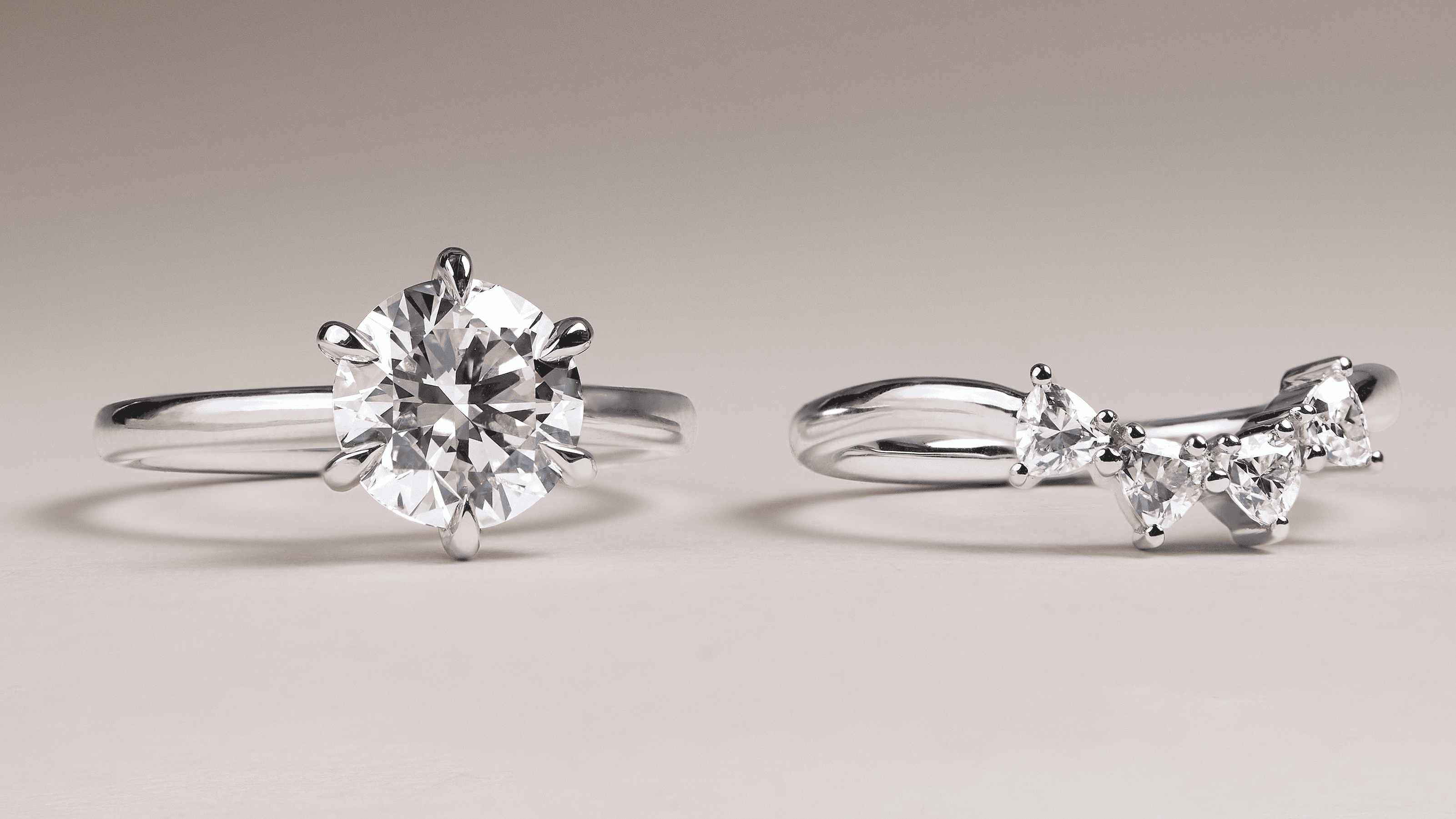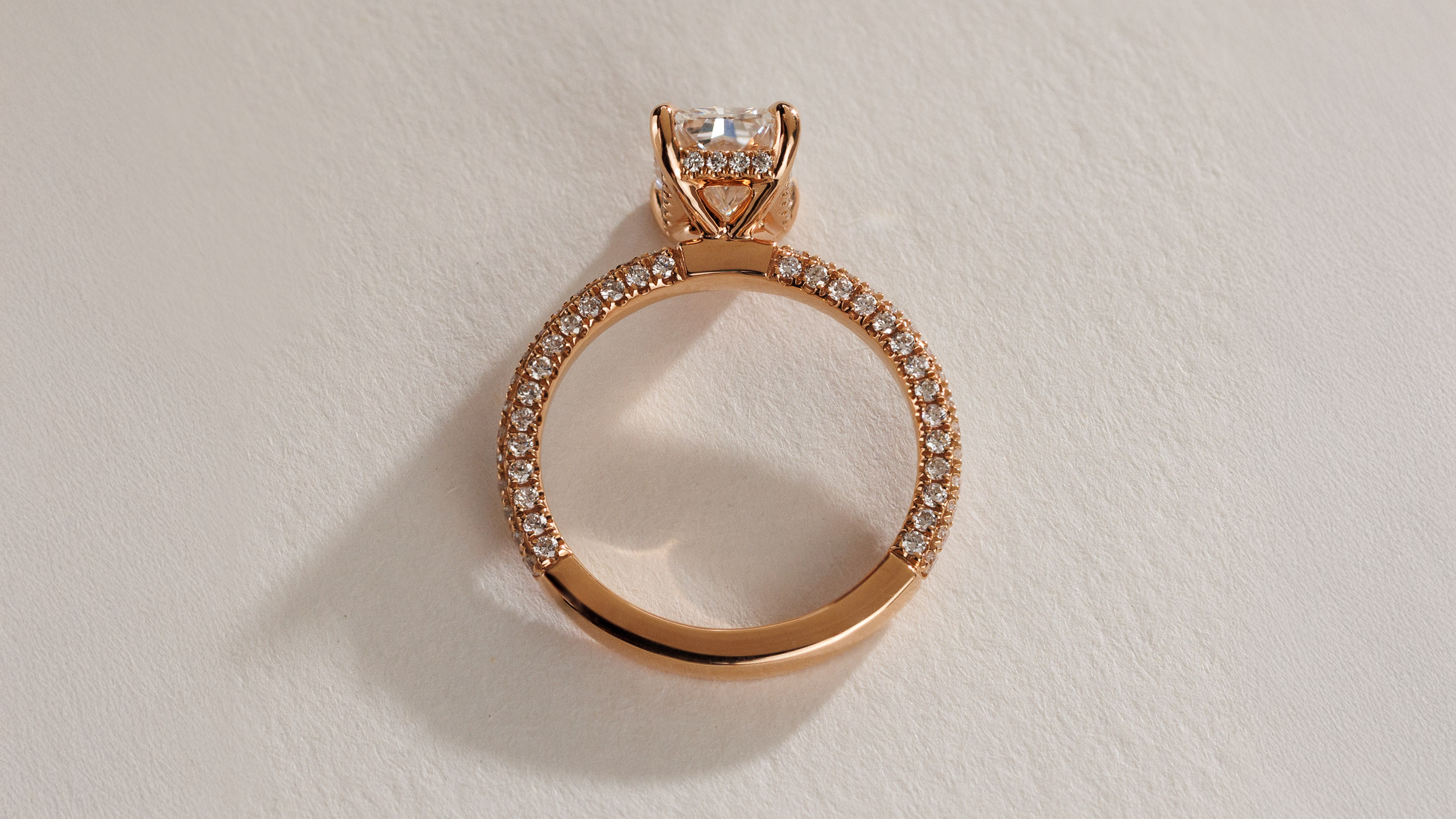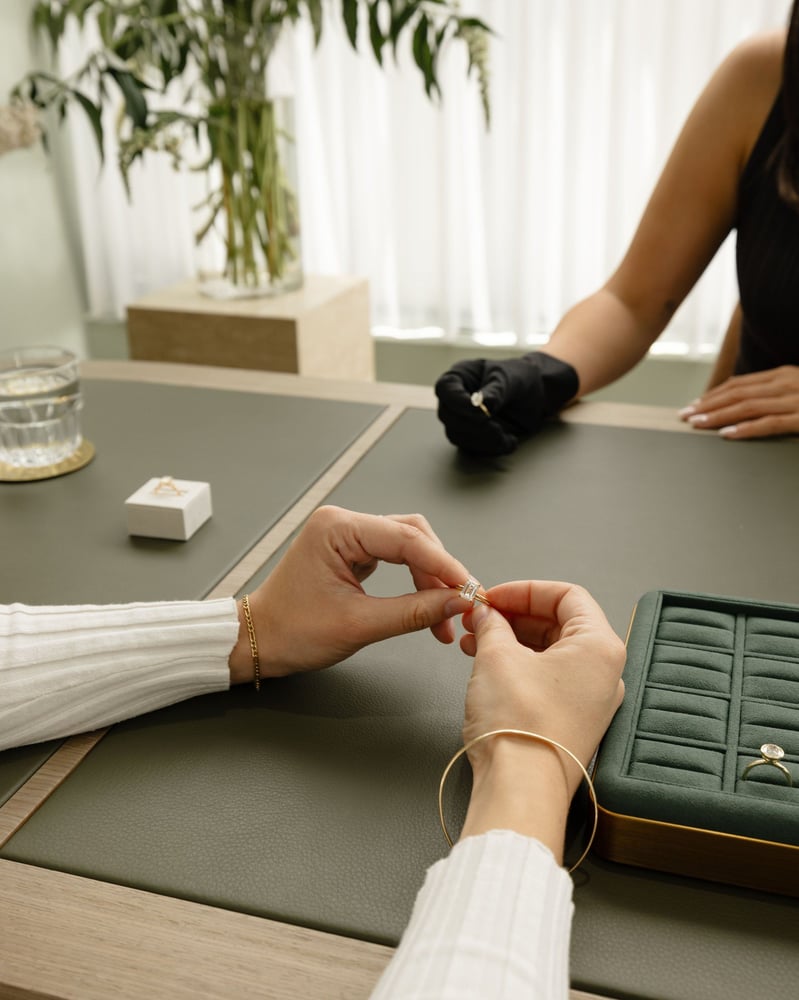
The crafting of an engagement ring starts with a precious metal. Whether yellow gold, rose gold, white gold or platinum, each metal has its unique qualities, advantages, and disadvantages. Colour, shine, purity, strength, price, and rarity differ between each kind of precious metal and each type also comes in many forms. For example, gold isn’t just gold: it could be anything from 18k white gold, 14k rose gold, 18k yellow gold, and more. To assist you on your engagement ring journey, we have created this helpful guide to make exploring precious metals a little easier.
Platinum
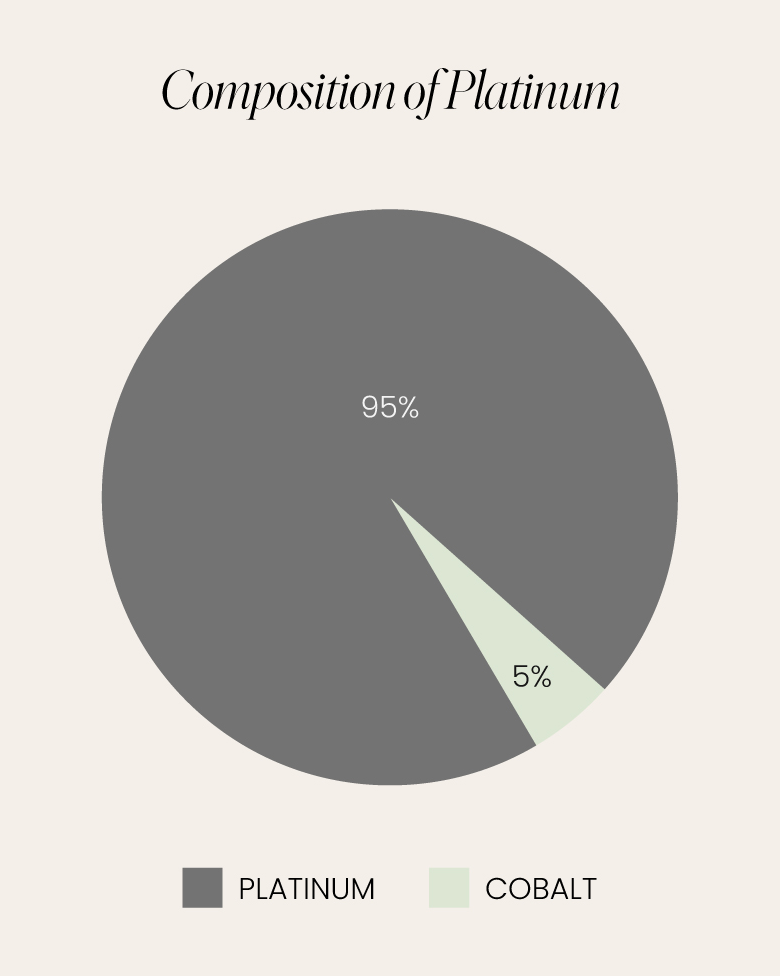
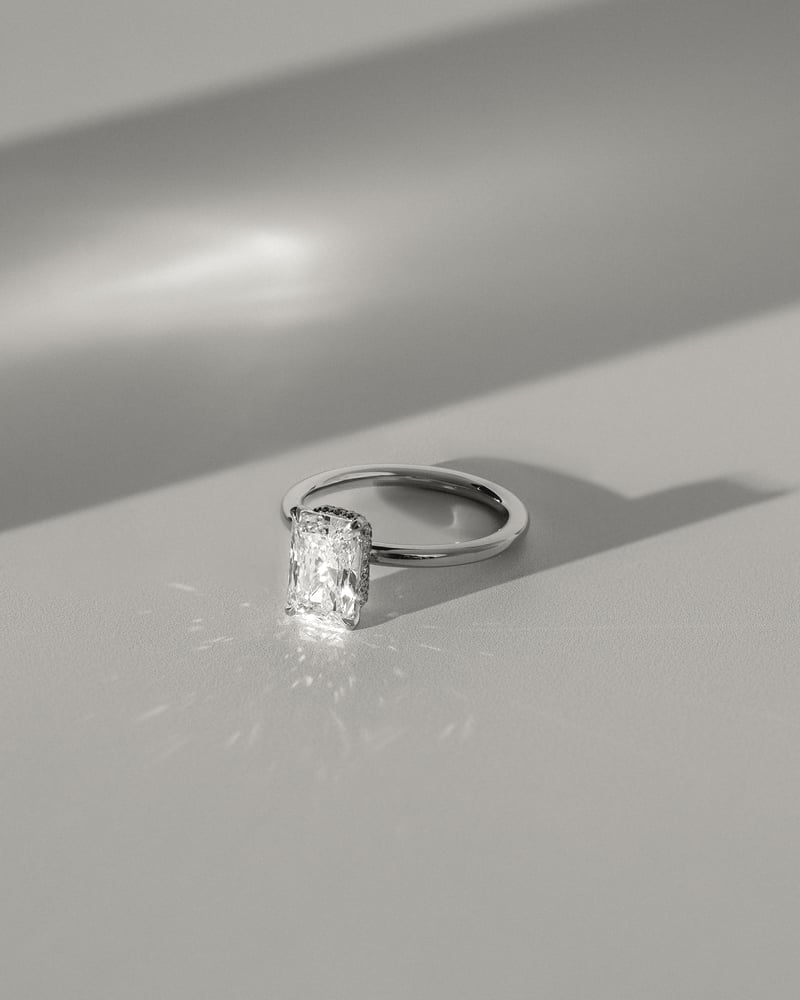
Platinum is a sleek, silvery-white precious metal with an unmistakable shine. Platinum’s natural strength is enhanced by adding a small percentage of another metal before it is crafted into jewellery. Jewellers may choose a range of metals to add to the alloy to strengthen it. At Cullen Jewellery, we use cobalt. Like platinum, cobalt is naturally hypoallergenic, making platinum rings a great option for people with metal allergies. Platinum is extremely durable and will not tarnish or corrode. Platinum jewellery comes at a higher price than gold jewellery due to its relative rarity, density, and strength.
18k Yellow Gold
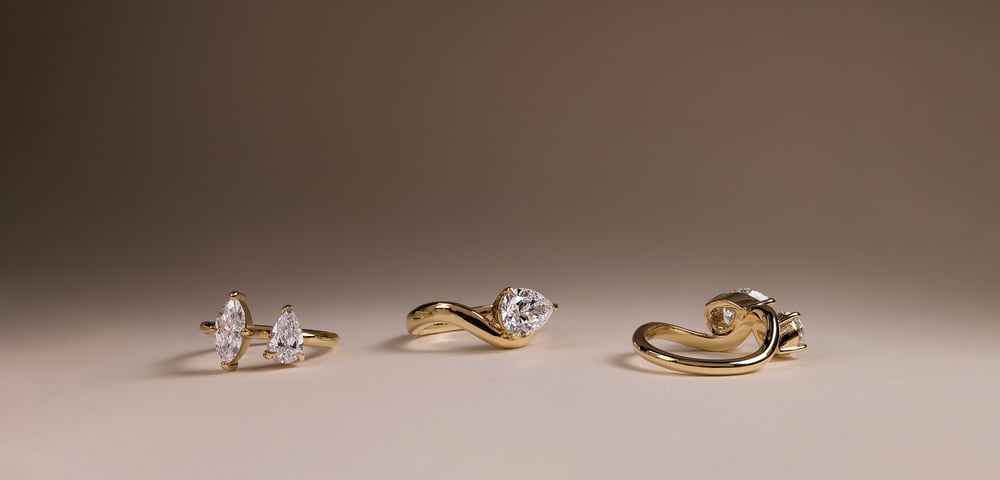
18k yellow gold is the preferred choice for most premium jewellers, thanks to its traditional warm hue, lustre, and high gold content. While 18k and 14k gold have similar hardness levels on the Vickers scale—offering comparable resistance to scratching—18k gold stands out for its durability. It’s less prone to breakage, more corrosion-resistant. It has a higher elongation percentage, meaning it’s more likely to bend rather than break—a vital feature for securely holding gemstones like diamonds in place.
Another advantage? 18k yellow gold is more hypoallergenic than 14k, making it an excellent choice for those with metal sensitivities.
18k Rose Gold

18k rose gold is an alloy consisting of gold and copper, resulting in a blush pink colour. Rose gold is particularly flattering on warmer skin tones and comes at a similar cost to yellow gold. With added strength provided by the copper in the alloy, 18k rose gold is a long-lasting precious metal that will not require maintenance to keep its distinctive colour.
18k White Gold
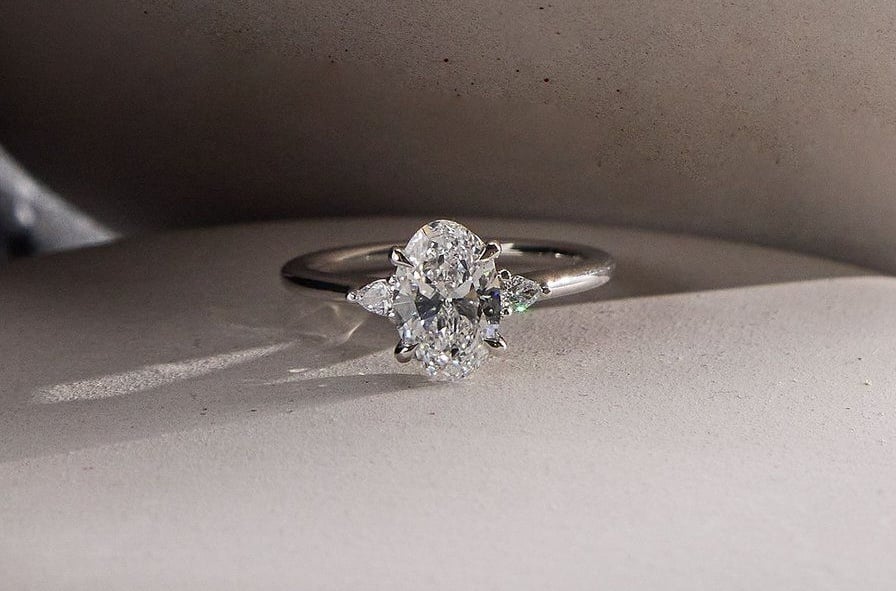
With a silvery-white appearance similar to platinum, 18k white gold is a stunning and more affordable option for those who prefer cool-toned jewellery. Unlike platinum, which develops a patina finish that enhances its durability and appeal, white gold is plated with rhodium to create a shiny white finish. White gold requires more maintenance than platinum, as the rhodium plating wears off over time, revealing the gold alloy's original colour beneath.
Two-tone
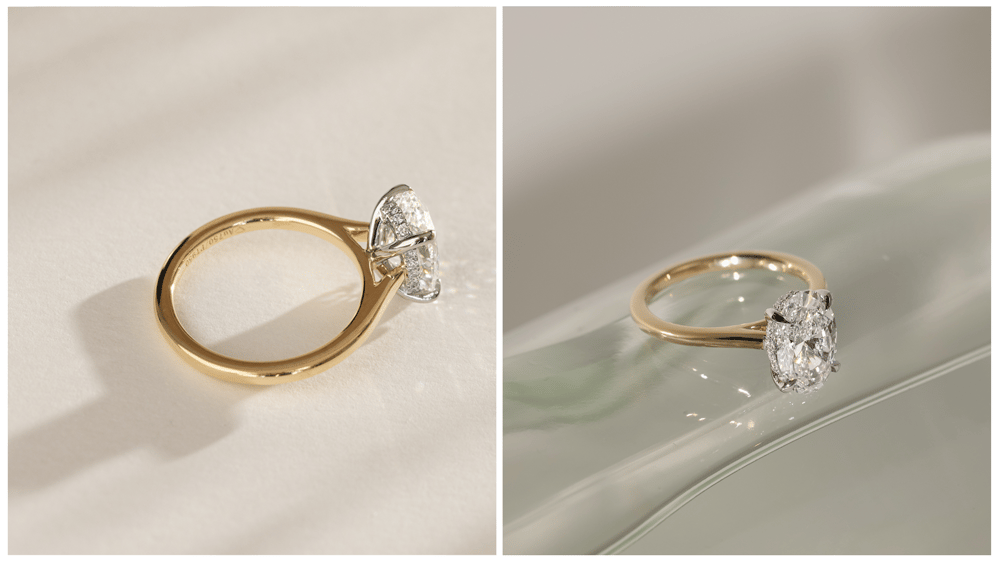
Two-tone rings often feature a lighter-coloured precious metal such as platinum or white gold at the top (also called the setting of the ring), creating a striking and versatile visual contrast that can pair well with jewellery of different metal types. A two-tone design combines two different metal colours, creating a unique and versatile piece of jewellery that can be customised to complement all skin tones.
A Note on Metal Allergies
Finding the right precious metal for an engagement ring isn’t just about how it looks, but also how comfortable it is to wear. Rose gold, white gold, and yellow gold all have metal alloy properties that affect metal allergies differently. Unfortunately, rose gold is an alloy with a high proportion of copper. Copper gives rose gold its pinkish hue, but copper can also cause a reaction if you have a metal allergy. If you have a metal allergy, it is best to choose platinum or a gold alloy that is as close to pure gold as possible, such as 18k yellow gold. Being closer to pure gold, 18k gold has a low percentage of other metals in the alloy, making it safer to wear. At Cullen, all of our precious metals are 100% nickel free, a common cause of some metal allergies.
Can All Ring Metals Be Resized?
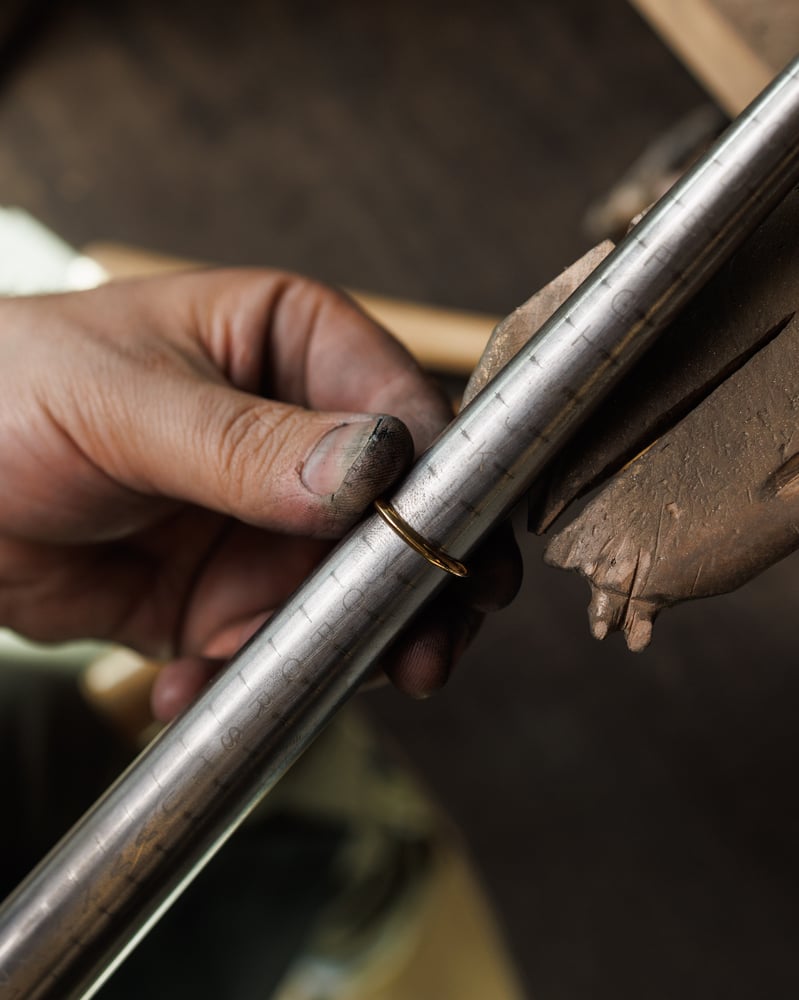
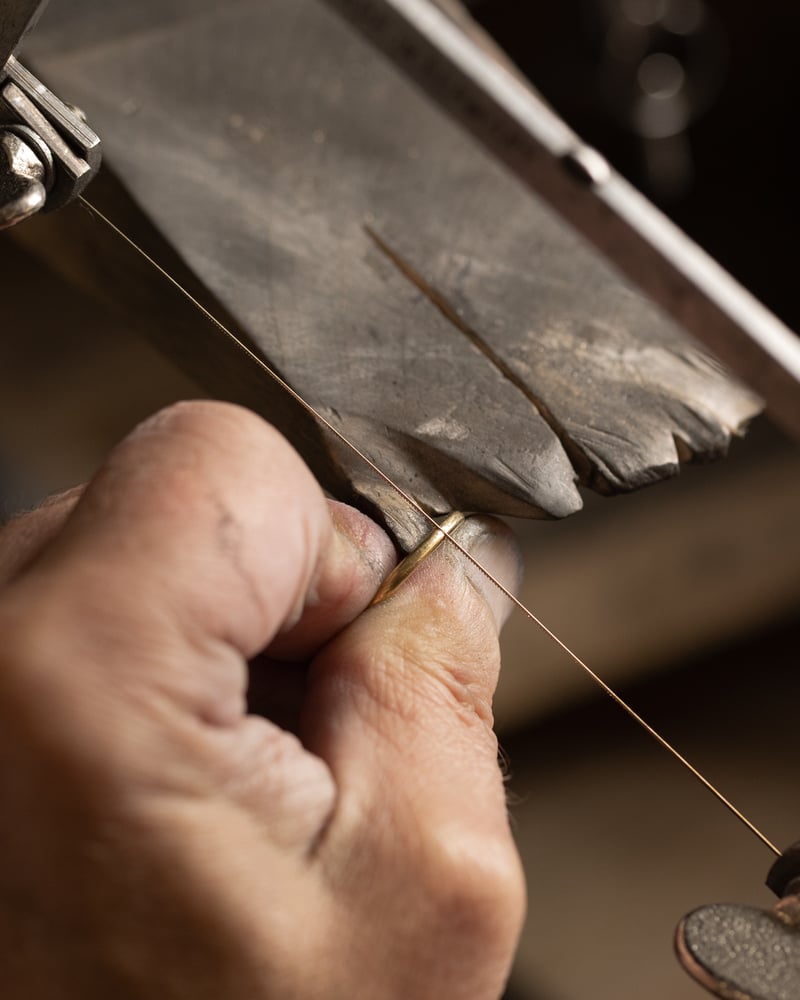
Not all rings can be resized. Eternity bands and designs with intricate settings can be more challenging—even impossible—to adjust. Furthermore, some precious metals are more difficult and require more skill to resize without visible soldering lines. Thanks to its malleability, yellow gold is one of the easiest metals to resize. However, the process also depends on the skill of the jeweller and the quality of the band. In most cases, resizing a yellow gold ring is possible.
Rose gold solder is relatively new in the jewellery industry, which means awareness is very low. Many traditional jewellers won’t offer it as an option for your resize. At Cullen Jewellery we have access to rose gold solder. When you have a rose gold ring resized with us, the precious metal used in the ring and solder will be matched in strength and colour. Other jewellers might use a lower-carat solder, with less than perfect outcomes. While white gold rings are plated with rhodium and can be resized, the process requires the ring to be replated afterwards. This step adds to the cost since rhodium is a rare and precious material, which is why we prefer to recommend platinum as it does not require rhodium plating.
Platinum solder is also less common due to its high cost and melting point, making it challenging to work with. Platinum has a higher melting point than gold, which means that heating platinum enough to make it into a liquid solder would also burn the stones. At Cullen, we do all of our resizing using lasers to ensure a seamless resize and our standard is to always resize your ring without even leaving a trace or any visual indicator.