The Environmental Impact of Lab Grown Diamonds Vs Mined Diamonds - Who Wins?
— by Cullen Jewellery — Reading time 4 minutes
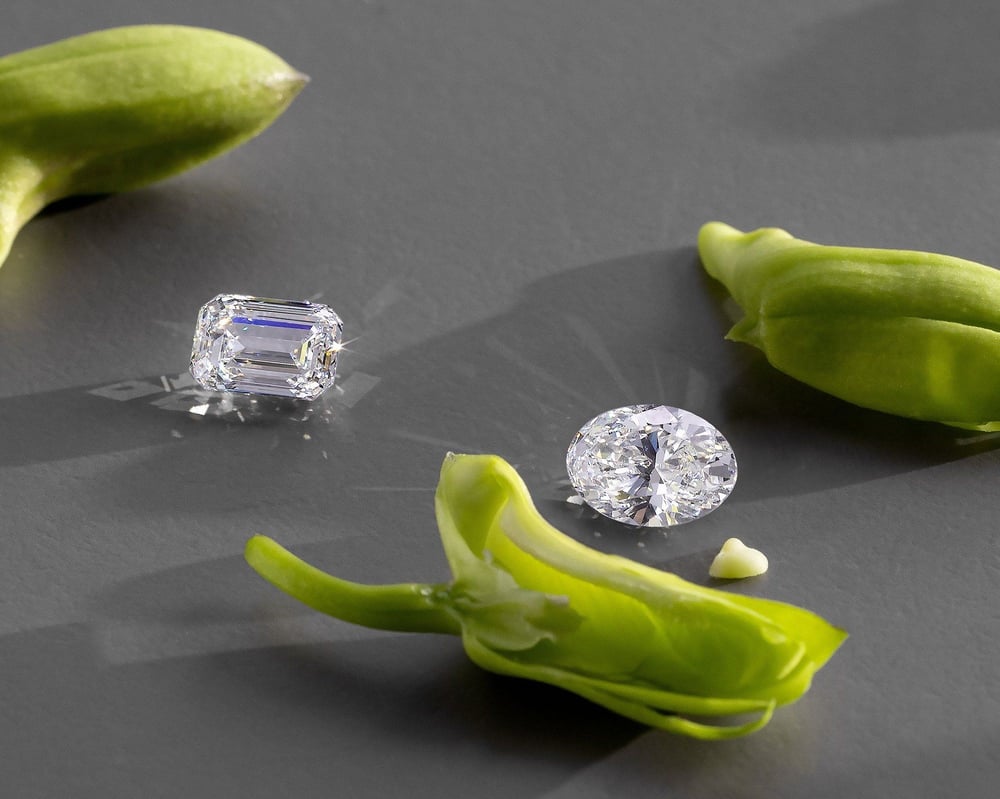
Mined diamonds have a widely bad reputation for their environmental impact – but is it justified? Before the rollout of lab grown diamonds across fine jewellery, mined gemstones were the only options for engagement rings, so their impact (which we’ll explore) was accepted as the norm. Now, lab grown diamonds have taken the fine jewellery industry by storm. But between the two, which is better for the environment?
How Bad for the Planet is Diamond Mining?
In the case of diamond mining, we need to look at multiple angles to determine how bad it is for the world. Firstly, it’s vital to consider the impact on the people involved in the process, as well as where the diamond has been mined. The term ‘blood diamonds’ refers to mined diamonds that come from ‘conflict areas’ and where the proceeds of sale have been used to fund the conflict. Although processes like the Kimberley Process exist to prevent the trade of blood diamonds, there are significant loopholes in these regulatory systems. Another thing to think about is the human aspect of diamond mining, whether it’s the miners or the people who live in the surrounding areas where mining takes place. There have been cases where children are forced into mining, as well as cases where evidence has surfaced of miners being abused. On top of this, there have been occasions where diamonds have been discovered in areas where locals are then forcefully removed from their ancestral homes, with one of the most recent cases being the Chiadzwa case in 2011. Today, the 1300 families from the area have yet to be rehoused and remain living in poverty.
Are Lab Diamond Engagement Rings Really Better for the Planet?
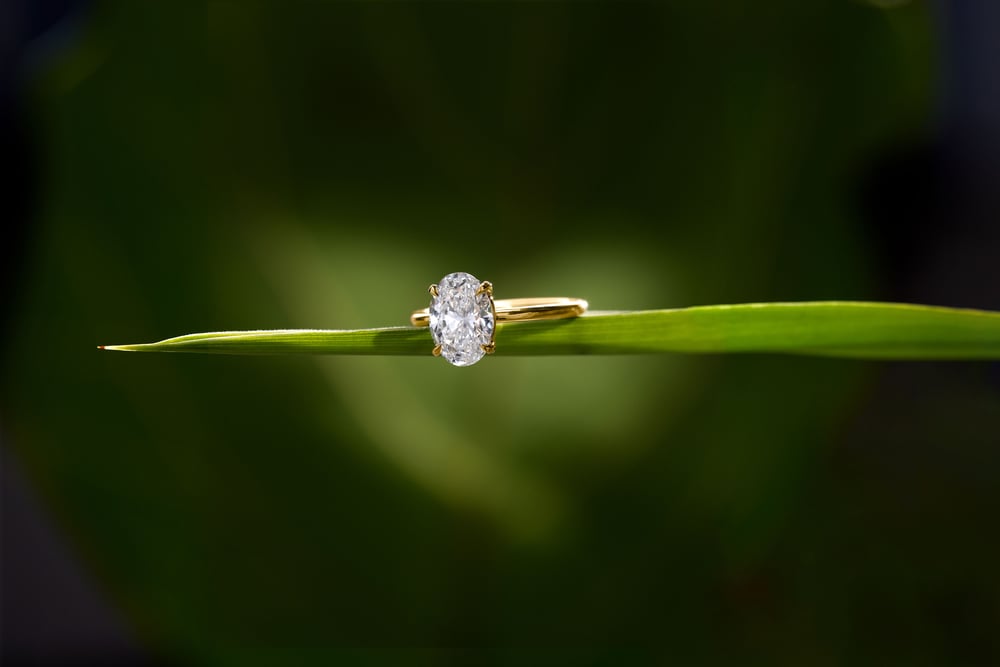
The question we all want to be answered. And the answer is – yes. The process of growing lab diamonds means that activities associated with mined diamonds can be completely avoided. Lab grown diamonds aren’t mined, and so those communities don’t need to be displaced because no diamonds are being mined. Lab grown diamonds are made in controlled lab-like environments, meaning diamond growers can closely monitor the working conditions and ensure all employees are of working age and capability. Now this is not to say that lab grown diamonds come entirely without a cost. We acknowledge that energy is still required to produce a lab diamond, which is why we offset the carbon for all of our gemstones.
Is Diamond Mining Bad for the Environment?

And when it comes to trading, lab grown diamonds don’t come with the same baggage as mined diamonds, and so are largely known as ‘conflict-free diamonds’, meaning you can have a clear conscience while you make this important decision. The simple answer here is yes. While some mined diamond brands aim to restore the land they mine diamonds from, or only mine in certain areas, the process of mining is largely detrimental to the environment regardless of how much care is taken. Mined diamonds are found roughly about 150-200 kilometres below the surface, and the amount of fuel and energy needed to dig this deep is unfathomable. Once the area has been swept for diamonds, the earth cannot be used for farming, and any surrounding bodies of water are usually polluted from the harmful chemicals released during mining. This means that the environmental damage of mining can lead to local communities being driven away as the land is no longer viable to live in.